We are shaping the future of clean power across Western Canada and building a new energy economy for the region. Nuclear power is one of Canada’s safest and cleanest energy sources, and is recognized globally as a critical tool for reducing greenhouse gas emissions and supporting climate goals.
The Peace River Nuclear Power Project builds on 65+ years of Canadian nuclear leadership, bringing world-class technology to Northwestern Alberta. A once-in-a-generation opportunity that will create thousands of good jobs, deliver clean, reliable power and strengthen Canada’s energy independence.
The Project includes four 1000 MW-class reactors that could produce up to 4,800 megawatts of clean electricity - equivalent to roughly 15 per cent of Alberta’s current generation capacity.
It would support Alberta’s economic and industrial growth, with the potential to deliver low-emission power across Western Canada through interties.
- Scott Henuset, President and CEO of Energy Alberta
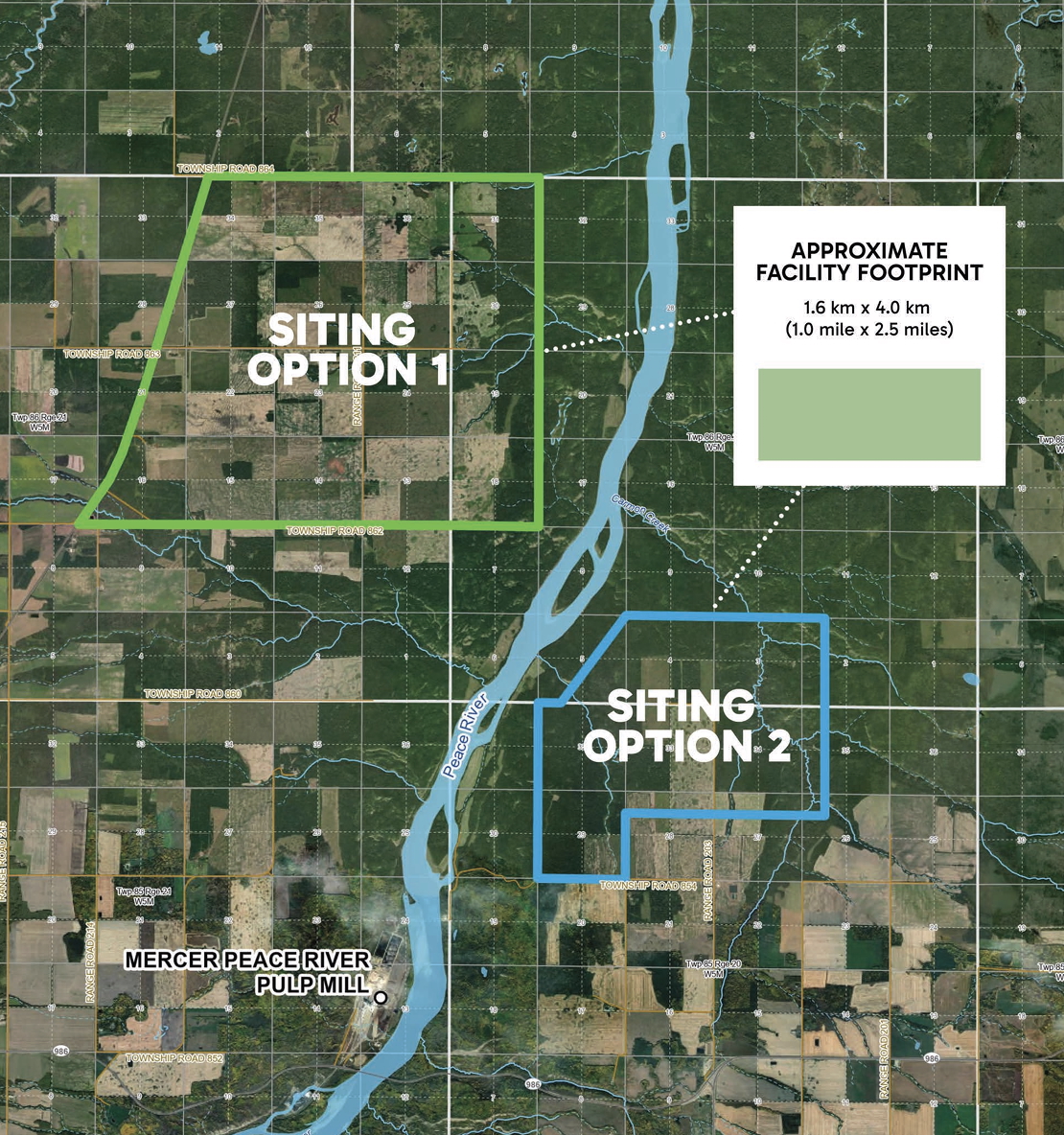
Choosing the right location is one of the most important decisions in developing a nuclear project. Site selection is guided by a rigorous evaluation process - focused on ensuring the Project can be built and operated safely, responsibly and in a way that supports the surrounding region.

The Peace River region was identified in consideration of the Canadian Nuclear Safety Commission's site evaluation requirements and guidelines.
.jpg)
Energy Alberta cares deeply about environmental stewardship and promoting sustainable water management practices to minimize the impact of our operations on local water resources and protect the Peace River watershed.
Learn moreCanada is considering changes to how major projects - including nuclear energy projects like the Peace River Nuclear Power Project - are reviewed and approved.
Learn more about the proposed reforms and what they could mean for the Project.
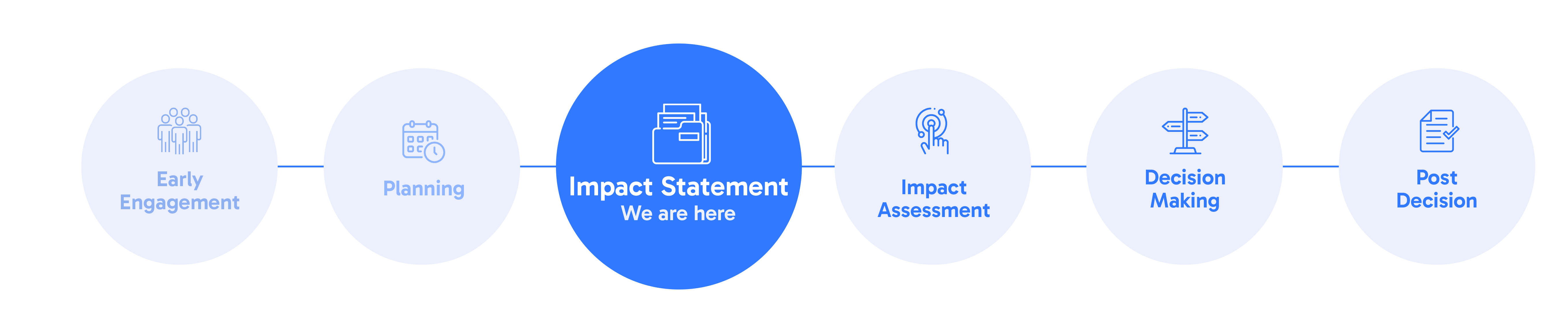
Energy Alberta has assembled a team with extensive nuclear experience and initiated the planning required to advance a nuclear generation project in Canada, including early consultations with government, community leaders and Indigenous groups.
In April 2026, the Peace River Nuclear Power Project advanced to the Impact Statement phase of the regulatory process, which includes detailed studies - guided by federal requirements - to support a comprehensive review of the Project’s potential effects and benefits, alongside continued engagement with Indigenous Nations and Communities and the public.
Learn more about the regulatory processAn Impact Assesment (IA) is a phased planning process spanning over multiple years, involving extensive community and public engagement, as well as comprehensive environmental and socioeconomic studies. Upon completion of the IA process, the federal government determines whether the project is in the public interest and grants approval for it to proceed.
Energy Alberta has submitted an Initial Project Description (IPD) for the Project to the Impact Assessment Agency of Canada (IAAC) and the Canadian Nuclear Safety Commission, initiating a federal Impact Assessment. Visit the IAAC website to see the Project page, read the IPD and learn why, how and when you can participate in the process.
Energy Alberta is considering two advanced, Canadian-owned nuclear reactor technologies: Atkins Réalis’ CANDU® and Westinghouse’s AP1000®.
Learn more about the technology and the science behind nuclear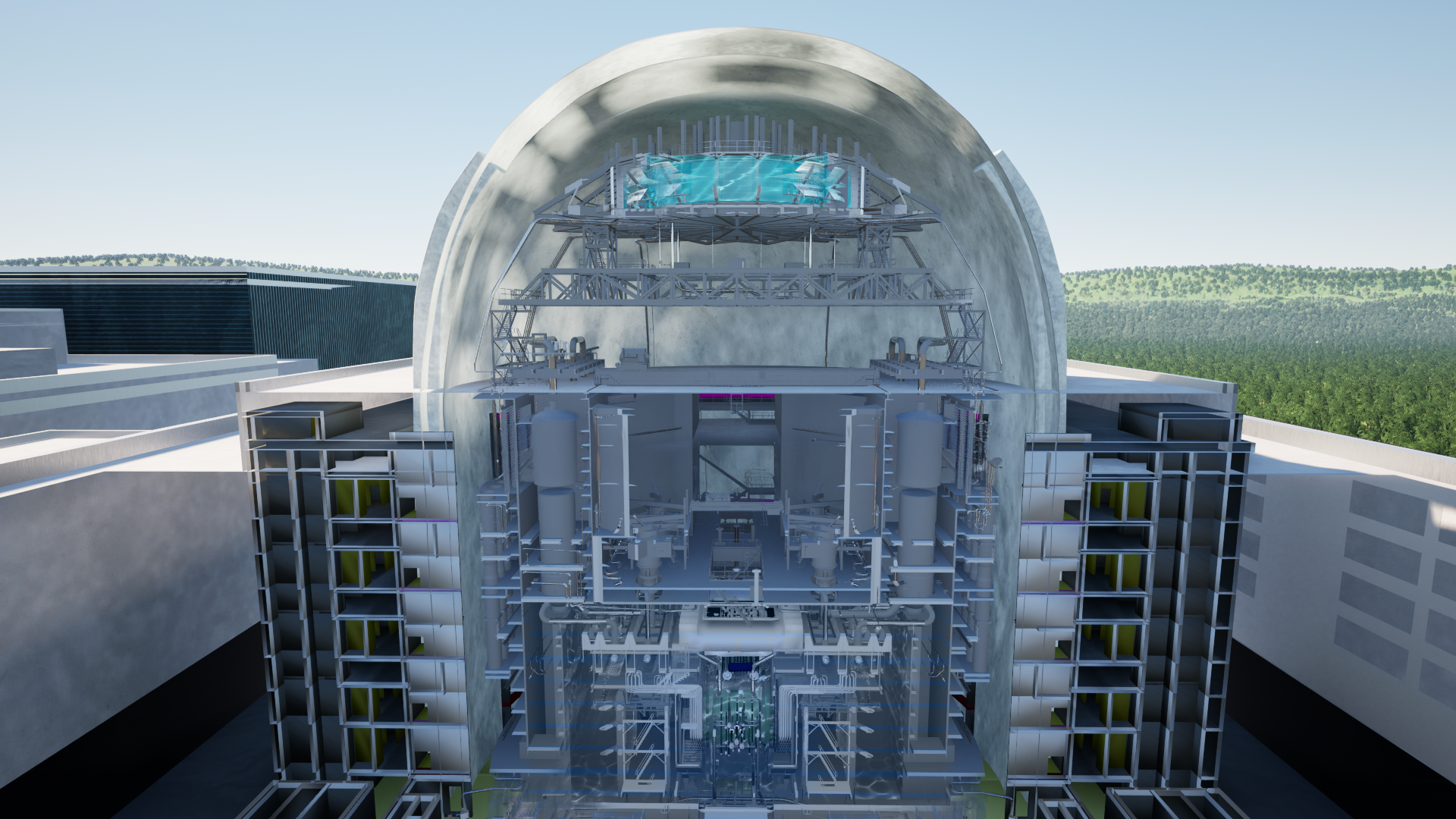
.jpg)
Open, extensive and thorough engagement is a vital component to the success of our Project. We are building and sustaining meaningful relationships based on mutual respect and trust with local communities and Indigenous Nations and others who have an interest in our Project.
Our news and updates section is your go-to source for the latest happenings, announcements and stories about Energy Alberta. Explore how we’re working to transform energy production in the province.
.jpg)
“Ultimately, the Peace Region has a strong foundation, and there are a number of potential economic opportunities ahead. Our role as a local media business is to continue informing the community as those opportunities, projects and decisions develop.” - Lindsay Parenteau and Jonathan Babiy
.png)
Every successful project starts with people. Long before construction plans take shape, there are conversations to have, communities to connect with, information to gather and early work to be done. As Energy Alberta advances the Peace River Nuclear Power Project, people and businesses across the Peace Region are helping make that work possible. Together, we’re building a foundation of opportunities for individuals and businesses interested in working with us.
.jpg)
September 30 is a day to remember, reflect and listen. On National Day for Truth and Reconciliation, we recognize the lasting impacts of the residential school system and encourage our team and community to make space for Indigenous voices, stories and experiences. It is also an opportunity to consider what reconciliation means in the places where we live and work - not only today, but throughout the year.
Subscribe to receive Project updates.
We want to hear from you. Have questions, feedback or want to work with us? We’re here to help.
Get in Touch